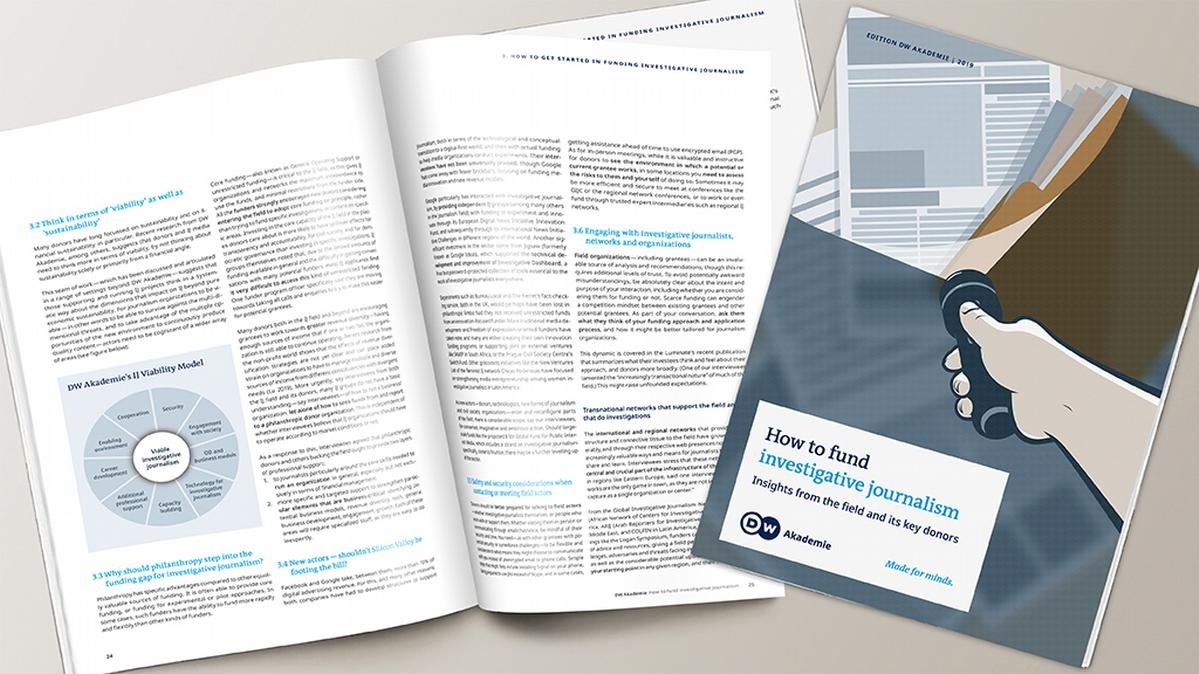
Imagine this: It’s the early 1970s, and two young reporters are hunkered down in a dimly lit newsroom, sifting through stacks of documents and chasing leads that seem like dead ends. Bob Woodward and Carl Bernstein weren’t just covering the news—they were digging into a break-in at the Watergate Hotel that would unravel a presidency. Their work didn’t just make headlines; it changed history. That’s the essence of investigative journalism. It’s not about quick hits or surface-level stories. It’s about peeling back layers to reveal truths that powerful people would rather keep hidden. In a world flooded with information, this kind of reporting cuts through the noise, holding the mighty accountable and sparking real change. Whether you’re curious about how it works or why it matters, let’s dive in.
Understanding Investigative Journalism
Investigative journalism is that gritty, behind-the-scenes probe into issues that affect us all, from corruption in high places to hidden societal ills. It’s not your everyday news—it’s a deep dive, often taking months or years, to uncover facts that aren’t handed out on a platter. Think of it as journalism’s detective work, where reporters chase leads, verify sources, and expose what’s concealed, either deliberately or by accident. At its core, it’s about truth-seeking with a purpose: to inform the public and drive accountability.
Key Characteristics of Investigative Journalism
What sets it apart? It’s systematic, in-depth, and original. Reporters don’t just report events—they investigate secrets, using public records, interviews, and sometimes undercover tactics. It demands patience, skill, and a knack for connecting dots that others miss. Unlike routine news, it’s proactive, focusing on matters of public importance that might otherwise stay buried.
History and Evolution
Back in the day, muckrakers like Ida Tarbell exposed monopolies in the early 1900s, leading to antitrust laws. Fast forward, and digital tools have transformed it—now, data analysis and global collaborations amplify its reach. But the heart remains the same: a commitment to uncovering wrongs. I’ve always admired how it adapts, from print exposés to online investigations that go viral.
The Role of Investigative Journalism in Society
Picture a society without watchdogs—power unchecked, injustices ignored. Investigative journalism steps in as the guardian, exposing abuses and fostering transparency. It empowers citizens with knowledge, ensuring leaders serve the people, not just themselves. In democracies like ours, it’s vital for maintaining balance, reminding us that truth is the foundation of trust.
Holding Power Accountable
From politicians to corporations, no one’s off-limits. Reporters scrutinize decisions, revealing conflicts of interest or fraud. This role isn’t glamorous—it’s essential, preventing the erosion of public faith. I recall a local story where a journalist uncovered city hall kickbacks; it led to resignations and reforms that saved taxpayers money.
Promoting Social Justice
It’s a voice for the voiceless, shining light on racial inequities, environmental disasters, or human rights violations. By highlighting these, it pushes for change, like reforms in child protection or welfare systems. Emotionally, these stories hit hard—they humanize statistics and inspire action.
Educating the Public
Beyond scandals, it explains complex issues, like how policies fail or technologies impact lives. This informational role helps us make informed choices, from voting to consumer decisions. It’s like a public service announcement, but with teeth.
The Impact of Investigative Journalism
Ever wonder how one story can topple empires? The impact is profound—sparking laws, ousting leaders, and shifting cultures. It’s not just news; it’s a catalyst for progress. In my experience reading these pieces, they often leave you fired up, ready to demand better.
Driving Policy Changes
Exposés lead to legislation. Upton Sinclair’s “The Jungle” prompted food safety laws in 1906. More recently, opioid crisis reporting influenced drug regulations. These changes save lives and protect rights.
Fostering Public Awareness
Stories raise consciousness. The #MeToo movement exploded after investigations into Harvey Weinstein, empowering survivors worldwide. It’s amazing how awareness can turn into a movement.
Economic and Social Reforms
Corporate wrongdoing exposed? Stock prices drop, executives resign. Socially, it addresses inequalities, like in education or healthcare. The ripple effects are huge, often underestimated.
Famous Examples of Investigative Journalism
Let’s get specific. These stories aren’t just history—they’re blueprints for impact.
- Watergate Scandal (1972-1974): Woodward and Bernstein’s Washington Post reporting revealed Nixon’s cover-up, leading to his resignation. A classic case of journalism toppling a president.
- Panama Papers (2016): A global collaboration exposed offshore tax havens, implicating leaders and sparking investigations in dozens of countries.
- Boston Globe’s Spotlight on Church Abuse (2002): Uncovered systemic cover-ups of priest abuse, winning a Pulitzer and inspiring reforms.
- Ida Tarbell’s Standard Oil Exposé (1904): Detailed Rockefeller’s monopoly, leading to its breakup and antitrust laws.
These examples show the power: one determined reporter can ignite global shifts. Humorously, it’s like being a superhero, but with a notebook instead of a cape.
Investigative Journalism vs. Regular Journalism: A Comparison
Wondering how it differs from daily news? Here’s a quick table to break it down.
| Aspect | Investigative Journalism | Regular Journalism |
|---|---|---|
| Focus | Deep dives into hidden issues | Current events and quick reports |
| Timeframe | Months or years | Hours or days |
| Sources | Original research, leaks, data | Press releases, interviews |
| Goal | Expose and reform | Inform and update |
| Risk | High (legal, safety) | Lower |
| Impact | Systemic change | Immediate awareness |
Investigative work is proactive, not reactive—it’s about what isn’t being said. Regular journalism keeps the pulse; investigative checks for poison.
Pros and Cons of Investigative Journalism
Like any pursuit, it has upsides and downsides. Let’s list them out.
Pros
- Drives Real Change: Leads to reforms and accountability.
- Public Service: Empowers the underrepresented.
- Intellectual Thrill: Solving puzzles is rewarding.
- Career Prestige: Pulitzers and respect follow big stories.
Cons
- Dangerous: Threats, lawsuits, or worse.
- Time-Intensive: Burns out reporters.
- Expensive: Requires resources many outlets lack.
- Emotional Toll: Dealing with dark topics weighs heavy.
Balancing these, it’s a calling for the resilient. I once knew a journalist who joked, “It’s 99% frustration, 1% glory—but that 1% is everything.”
Best Tools for Investigative Journalists
Ready to dive in? Here are top tools for modern sleuthing (transactional intent covered).
- Bellingcat’s Online Investigations Toolkit: Free dashboard for geolocation, data analysis, and more.
- Flourish: For visualizing data in stories.
- DocumentCloud: Analyzes and annotates documents.
- FOIA Machine: Helps access public records.
- Evernote: Organizes notes and sources.
These make digging easier, but remember, tools amplify skills, not replace them.
Where to Learn Investigative Journalism
Aspiring? Start here (navigational intent).
- Columbia Journalism School’s Toni Stabile Center: Offers investigative specialization.
- UC Berkeley Journalism: Master’s with investigative focus.
- Global Investigative Journalism Network (GIJN): Free resources and guides.
- Centre for Investigative Journalism (CIJ): Training workshops.
- Knight Center Online Courses: Beginner-friendly.
Build a portfolio early—practice makes the pro.
People Also Ask
Based on common Google queries, here are real questions people search.
What is an example of investigative journalism?
The Watergate scandal is iconic, where reporting led to Nixon’s downfall.
How do I become an investigative journalist?
Start with a journalism degree, gain experience, and learn tools via programs like those at Columbia.
What are the risks of investigative journalism?
Legal battles, physical threats, and burnout are common.
Why is investigative journalism important?
It promotes transparency and justice in society.
What tools do investigative journalists use?
Digital ones like data analyzers and secure communication apps.
FAQ
What distinguishes investigative journalism from other types?
It’s in-depth and original, focusing on concealed matters rather than daily events.
Can investigative journalism lead to personal danger?
Yes, reporters often face threats, but ethical practices and support networks help mitigate risks.
How has technology changed investigative journalism?
Tools like AI for data sifting and global collaborations have expanded its scope and speed.
What impact did the Panama Papers have?
They exposed tax evasion, leading to recoveries of over $1 billion and policy shifts worldwide.
Is investigative journalism dying in the digital age?
No—it’s evolving, with more cross-border work and data-driven stories thriving.
In wrapping up, investigative journalism isn’t just a job—it’s a force for good. It challenges us to question, learn, and act. If you’ve ever felt stirred by a story that exposed the truth, thank a journalist. For more on journalism ethics, check our internal guide. Or explore GIJN’s resources externally. Keep digging for truth—it’s what keeps society honest.